

Employee theft is a big problem for firms of all sizes. Stealing from work or committing bigger thefts at work can hurt your reputation and cost you a lot of money. Finding the early symptoms is the key to stopping employee theft. Businesses can respond before things get worse if they find out about problems early. We’ll talk about how to spot the first signs of employee theft and what you can do to stop it in this newsletter.
Recognizing Behavioral Red Flags
An employee’s behavior is often the first clue of theft inside the company. These may seem small at first, but they shouldn’t be ignored. Here are some important signs of bad behavior to look out for:
- Unexplained Financial Difficulties: If an employee looks to be having trouble with money but keeps coming to work, it could be a sign of a bigger problem. People who are having money troubles are more prone to stealing to solve their concerns quickly.
- Secretive Behavior: Workers that are often looking over their shoulders, hiding what they’re doing, or not eager to share knowledge may be stealing from work.
- Change in Attitude: If someone suddenly changes how they feel about work or their coworkers, especially if they also have mood swings, it could mean that something is wrong. If an employee starts to distance themselves from the rest of the team or looks overly defensive, it could mean they are trying to hide what they did.
These signs of bad behavior aren’t proof that someone stole something, but they should make you worried. A full internal inquiry can assist confirm your assumptions.
Physical Signs: Missing Items or Unusual Access
The unexplained loss of office supplies, equipment, or cash is another apparent sign that an employee is stealing. If you don’t do regular audits or inventory checks, this could be harder to see.
- Unusual Access to Restricted Areas: If employees are often going to places they shouldn’t be, especially without a good cause, it could mean they are stealing from the company. You can keep an eye on these actions via monitoring systems or keycard access.
- Missing Items or Stock: If your office supplies or inventory suddenly diminish, it could mean that staff are taking things home or selling them somewhere else. This is especially true for small but important things that are simple to steal, like pens, paper, or gadgets.
Make sure your team knows how to handle and store things correctly to lower the risk of theft.
Changes in Work Performance and Productivity
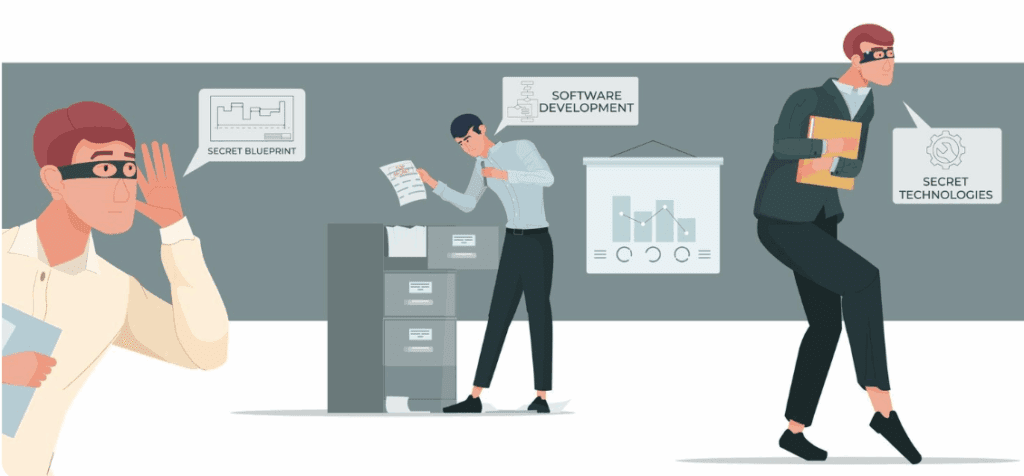
Sometimes, an employee’s work can give you hints about prospective theft. If your productivity suddenly drops or your work habits alter a lot, it could mean that something is wrong.
- Decreased Work Quality: If an employee’s work starts to suffer for no good reason, it could be a sign that they are preoccupied with something else, such as trying to hide theft at work.
- Lack of Accountability: Employees who cease doing their jobs or try to avoid being held accountable may be stealing from the company. They might think that the company is too busy or chaotic to see what they’re doing.
Financial Red Flags: Unexplained Cash Flow Issues
The financial records are the most obvious sign of employee theft for many businesses. People that steal from the organization may go to great measures to hide what they’re doing, but the data usually demonstrate that they’re stealing.
- Unexplained Discrepancies: Watch for discrepancies between the records of sales and inventory. If the cash flow doesn’t match the statistics that have been recorded, it could mean that money is being stolen.
- Overtime Abuse: If an employee consistently claims overtime or adds hours without a good reason, it could be a way to hide theft or bad money management.
How Internal Investigations Help Detect Employee Theft Early
If you think an employee is stealing, the next step is to do an internal inquiry. An inquiry helps get solid proof before making allegations. Here are some ways to start an investigation:
- Audit Financial Records: A full audit of financial records can show where money or things are missing or where there are problems with the records. You need to look through everything, from petty cash to credit card statements, to see if there are any indicators of fraudulent activities.
- Monitor Employee Behavior: You can use both physical and digital surveillance technologies to keep an eye on employees who seem suspicious. This could mean keeping an eye on the entrances to the office, looking at security footage, or keeping track of what employees are doing at work.
- Interview Employees: If you think someone has stolen anything, quietly asking staff about it can help you figure out what’s going on. It’s vital to ask questions that don’t sound like you’re accusing someone but are meant to get information.
Preventing Employee Theft: Creating a Culture of Accountability

To stop theft, you need to make the workplace a place where workers feel responsible for what they do. Here are some things you can do to lower the chance of theft at work:
- Establish Clear Policies: Make sure everyone knows what behavior is appropriate and what is expected of them at work. Tell your workers what will happen if they are caught stealing.
- Encourage Open Communication: Create an environment where employees feel free to talk about their problems without worrying about getting in trouble. Tell your employees to report any strange activity they see.
- Regular Audits and Checks: Check your finances, inventory, and employee behavior on a regular basis. This preventative approach helps keep theft from becoming a big problem.
Act Quickly to Prevent Employee Theft
Finding the first indicators of employee theft is very important for stopping bigger problems from happening later. Businesses can spot problems before they get worse by paying attention to behavioral, physical, and financial warning signs. Internal theft investigations and regular inspections are important ways to find out whether someone is stealing at work.
If you think someone is stealing from work, you should move swiftly and carefully to obtain proof, deal with the problem, and stop more losses. Taking action early helps keep your business safe and make the workplace safer and more responsible for everyone.
For more resources on preventing employee theft and conducting internal investigations, visit us at Return Assets Organization.