
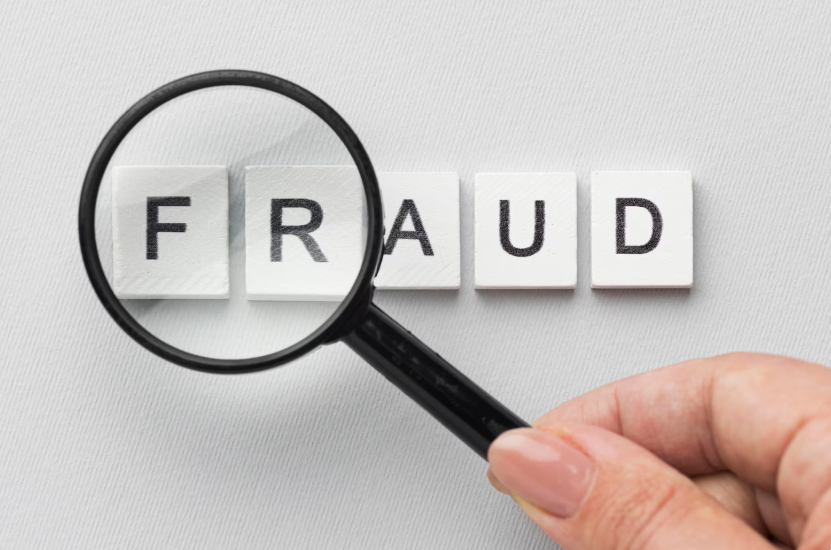
Businesses in many fields are becoming more worried about fraud and fraudulent. These crimes can hurt a company’s reputation, profits, and confidence in general. Fraud investigations can help find, fix, and stop bad behavior before it causes permanent damage, even though no firm is fully safe from these hazards.
In this edition, we’ll look at the most important parts of fraud investigations, concentrating on how businesses can find and deal with forgeries and other fraudulent actions through internal investigations. We’ll also talk about the kinds of forgery that can hurt organizations and give you tips on how a good fraud investigation can protect your company’s future.
Understanding Fraud Investigations
A fraud investigation is basically a planned and structured way to find out if an organization is doing anything wrong. Fraud investigations are the first line of defense against wrongdoing, whether it’s financial fraud, document forgery, or data manipulation.
The goal of a fraud inquiry is to find out what happened, who did it, and stop more fraud or wrongdoing from happening. A good inquiry will assist businesses:
- Find hidden scams that might not be seen otherwise.
- Stop any more damage to your financial and reputational assets.
- Make internal controls stronger so that fraud doesn’t happen again.
Companies could lose a lot of money and face legal and regulatory problems if they don’t have a clear and well-organized fraud investigation.
The Growing Threat of Forgeries in the Workplace
There are many different kinds of forgeries, and each one is worse than the last. Falsified financial statements, manipulated documents, and fake goods are all examples of forgeries that can cost a lot of money and damage an organization’s reputation.
These are the sorts of counterfeiting that happen most often in businesses today:
- Document Forgery: Document forgery is changing official papers like contracts, invoices, or legal papers to trick or mislead someone.
- Financial Fraud: Financial fraud is when someone changes accounting records, makes up fictitious transactions, or steals money in a dishonest way.
- Identity Forgery: Creating fake identities or manipulating credentials for personal gain.
- Product Forgery: Making fake goods or services, which can get you in trouble with the law and cause product recalls.
It is very important to spot these types of forgery early on in order to limit the harm and protect your organization’s reputation.
How Internal Investigations Uncover Fraudulent Activities
Internal investigations are very important for finding and stopping fraud in a company. If you think someone is committing fraud, it’s crucial to look into it and find out not just who did it but also why they did it so that steps can be made to stop it from happening again.
This is how an internal investigation usually goes:
- Suspicions Raised: A lot of the time, an employee or a system sees strange actions or differences that make them suspicious.
- Data Collection and Analysis: To find patterns of fraud, investigators gather pertinent documents, talk to personnel, and look at financial data.
- Identify the Culprit(s): Investigators figure out who is responsible for the fraud, whether it was an employee acting on their own, an outside person, or a flaw in the system.
- Take Action: Once fraud is established, the company takes steps to fix the problem, such firing the people who did it, reporting it to the police, or changing its policy.
Internal investigations not only assist find fraud, but they also make internal controls stronger, which makes it less likely that fraud will happen again.
The Impact of Fraud and Forgeries on Enterprises
The effects of fraud and forgery might go beyond just losing money right away. If a fraudulent occurrence isn’t stopped, it can do a lot of damage to a business’s:
- Reputation: People and customers may not trust a corporation that is notorious for fraud.
- Financial Stability: Fraud can cause big losses, which can hurt cash flow and profits.
- Employee Morale: If workers think that dishonest behavior is okay, they may feel down or not care about their work.
The Association of Certified Fraud Examiners (ACFE) did a study in 2018 that found that businesses throughout the world lose 5% of their yearly income to fraud. That number is shocking, especially since a lot of fraud cases go undetected.
Fraud Prevention: The Role of a Culture of Transparency

To stop fraud, you need more than simply regular audits and investigations. A company culture that promotes honesty and openness is important for a strong fraud investigation procedure.
To create a culture that is hard to cheat, follow these steps:
- Promote Ethical Behavior: Tell staff to report anything that seems off and praise honesty.
- Implement Robust Internal Controls: Set up strong internal controls, like tight financial rules, approval processes, and regular audits.
- Regular Training and Awareness: Make sure your personnel know about the risks of fraud and how to recognize the early indicators of bad behavior.
The greatest method to stop fraud is to make it harder for it to happen in the first place. It’s better to be proactive about stopping forgeries and fraud than to try to clean up the mess later.
How Return Assets Organization Can Help
Return Assets Organization can help you if you’re dealing with fraud or want to stop it from happening. We do thorough fraud investigations that can find hidden hazards, keep your money safe, and make sure your business can flourish in the future.
We offer the following services:
- Internal Investigations: We look into possible fraud in a thorough and private way.
- Forensic Accounting: Our staff are experts in doing financial audits to find fraud, embezzlement, and other illegal actions.
- Consultation: We can help you build up fraud protection measures and make your internal controls stronger.
Learn more and get started today with Return Assets Organization to safeguard your business from fraud.